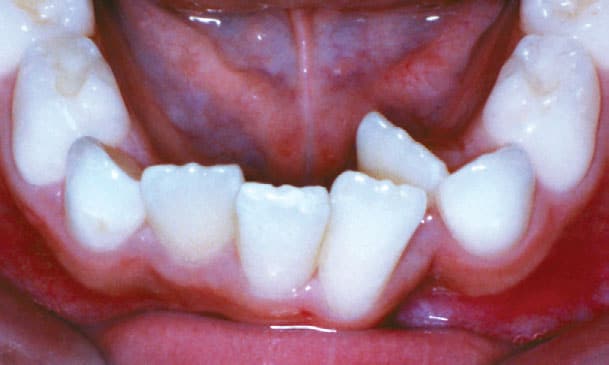
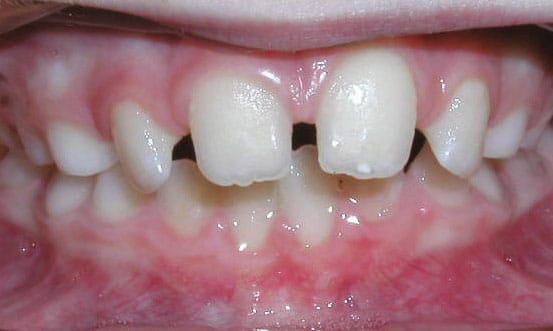
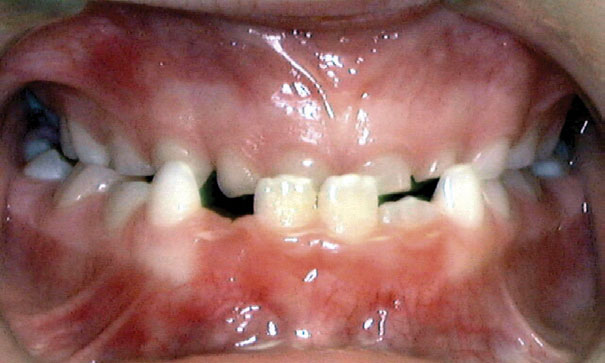
Orthodontic problems can affect people of all ages, and very few people are born with naturally aligned teeth. When teeth and jaws do not fit together properly, it is called malocclusion, or a “bad bite.” This is not just a cosmetic concern. It can affect how you chew, maintain good oral hygiene, speak, and feel about your smile.
A bad bite may be inherited or develop over time due to habits or environmental factors such as:
Thumb sucking or prolonged pacifier use
Dental disease or premature tooth loss
Accidents or injuries to the mouth and jaw
Developmental differences in the teeth or jaw growth
Oral habits or muscle patterns, such as tongue thrust or low tongue posture
Poor oral hygiene leading to shifting teeth
Other underlying medical conditions
The good news is that orthodontic treatment from Dr. Susan Korch can correct these concerns, improving both the function of your bite and the appearance of your smile.
Below are some of the most common orthodontic issues we diagnose and treat.
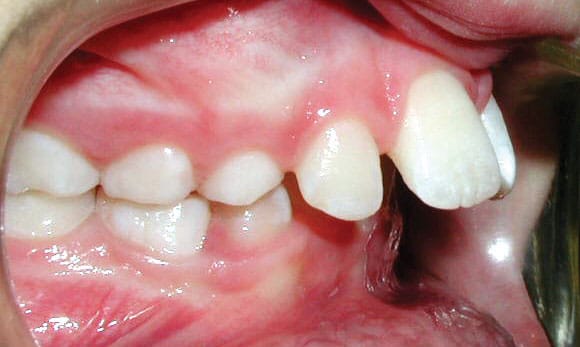
Upper Front Teeth Protrusion (Overjet)
The upper teeth sit further forward than ideal, or the lower jaw sits too far back, affecting both function and appearance. This can also increase the risk of injury since the front teeth are more exposed.
Deep Overbite
The upper front teeth overlap the lower teeth more than ideal, and in some cases the lower teeth may contact the roof of the mouth. Over time, this can lead to gum irritation and enamel wear.
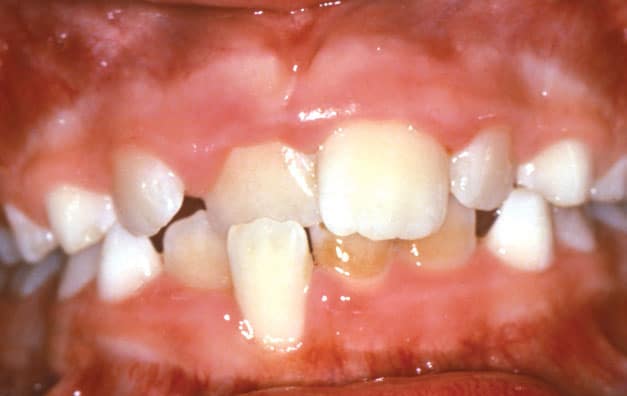
Crossbite
One or more upper teeth bite inside the lower teeth instead of fitting slightly outside. This can affect bite alignment, lead to uneven tooth wear, and can contribute to jaw shifting or smile asymmetry.
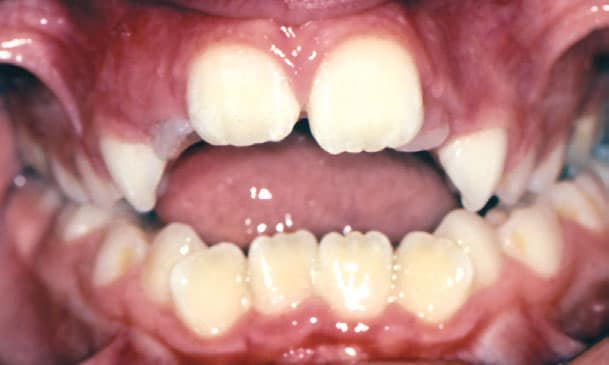
Open Bite
The upper and lower front teeth don’t touch, leaving a space between them. This can make chewing less efficient and may affect speech. Open bites are sometimes linked to habits like tongue thrusting.
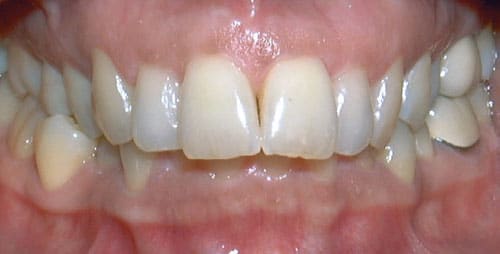
Crowding
There isn’t enough space in the jaw, so teeth may overlap, twist, or erupt out of position. This can make brushing and flossing more difficult and increase the risk of cavities and gum disease.
Spacing
Gaps between teeth can occur due to growth patterns, missing teeth or differences in tooth size or shape. This may affect bite function and the appearance of the smile.
Underbite
The lower teeth sit in front of the upper teeth, often related to the position of the lower jaw. This can affect chewing, speech, and jaw comfort.