
Protecting Your Smile with Orthodontic Retainers
Completing orthodontic treatment is a huge accomplishment, but it’s not the finish line. Once your braces or Invisalign come off, you’ll enter the retention phase—the stage that ensures your smile stays beautifully aligned for years to come. Retainers are essential in protecting your results, and our team will guide you every step of the way.
Why Retainers After Braces or Clear Aligners Are So Important
Even after teeth are moved into their ideal positions, they’re not fully stable right away. The surrounding bone and gums continue to adjust, and without reinforcement, teeth may drift back. Wearing your retainers as directed helps lock in your results, protect your investment, and prevent the need for future orthodontic work.
How Long Do You Need to Wear Retainers?
The simple answer: wear your retainers as long as you want to keep your smile straight.
Right after treatment (first two weeks):
Wear retainers full-time, day and night, except while eating, brushing, or playing sports/instruments.
Remove them only for meals, oral hygiene, and special occasions.
After two weeks and beyond:
Most patients switch to wearing retainers only at night while sleeping (unless instructed otherwise).
Ongoing retention checks:
We’ll see you for follow-ups during the first 9 months after treatment.
At these visits, we’ll make adjustments and ensure your retainers are working properly.
How to Care for Your Removable Retainers
Taking good care of your retainers keeps them effective and long-lasting.
Do’s:
Store in a protective case whenever not in use.
Clean gently with a toothbrush and mild soap (not toothpaste, it’s too abrasive).
Occasionally, soak in a denture-cleaning solution like Efferdent for a deeper clean.
Don’ts:
Avoid heat above 115°F (dishwashers, hot water, car dashboards).
Keep away from pets, dogs especially love to chew them.
Important: Retainers naturally wear down over time. If yours becomes loose, breaks, or no longer fits, contact us. One set is included with treatment, but lost or damaged retainers require replacement for an additional fee.
Fixed (Bonded) Retainers
For some patients, especially those with significant spacing, Dr. Susan Korch may recommend a fixed retainer.
This is a thin wire bonded behind the front teeth for extra stability.
A removable retainer is still needed to maintain the rest of the bite.
Fixed retainers require careful brushing and flossing to prevent plaque buildup and may need some diet adjustments (avoiding very hard or crunchy foods).
Clear Retainer
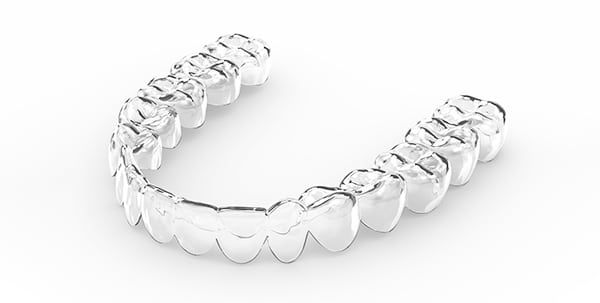
Fixed Retainer

When Extra Retention Is Needed
Certain habits or conditions may require a customized retention plan.
Extra support may be needed if you:
Grind or clench your teeth
Have tongue thrusting or poor tongue posture
Had rotated or widely spaced teeth before treatment
Other habits that affect retention:
Lip sucking
Chewing on pens or fingernails
During your visits, we’ll evaluate these factors and create a personalized retention plan to keep your smile stable.
Keeping Up with Your Smile Long-Term
Wearing retainers is only part of the picture. To maintain your results:
Brush and floss daily
Visit your general dentist every six months
Monitor your retainers for wear, fit, and cleanliness
At Korch Orthodontics, we’re committed to your long-term success. If you have questions or need a retainer checkup, we’re always here to help, because your confident smile deserves lasting protection.
Frequently Asked Questions
Retainers play a crucial role in protecting your investment and keeping your smile beautifully aligned for years to come. These FAQs address additional questions many patients have about long-term retention, durability, lifestyle considerations, and ongoing maintenance, so you can feel confident about keeping your results for life.
Can I get a backup retainer in case mine is lost or damaged?
Yes. Backup retainers are available and highly recommended, especially for patients who travel, play sports, or frequently remove their retainers.
Will wearing a retainer affect my speech?
Some patients experience mild temporary lisping when switching to a new retainer, but speech typically returns to normal within a few days.
What should I do if my retainer starts to feel tight again?
A tight retainer may indicate minor tooth shifting. Continue wearing it consistently and contact the office if the tightness persists or becomes uncomfortable.
Is it safe to sleep with a fixed (bonded) retainer?
Absolutely. Fixed retainers are designed for full-time wear and are very comfortable once you adjust to them.
Can I eat or drink with my retainers in?
No, eating can damage or warp them and drinking sugary or hot beverages can cause staining or distortion. Water is the only exception.
